Scissors and Sewing Thread: A Craft Fair Best-Seller
As I set up my booth for the upcoming weekend craft fair, I am constantly evaluating which machine embroidery design will stop customers in their tracks. Today, I am taking a close look at Scissors and Sewing Thread. This isn't just another digital file; it is a potential cornerstone for my entire handmade product lineup. When you are standing behind a table filled with goods, you need designs that communicate instantly. Based on the title and the promise of a "stylish update," this design feels like a perfect blend of modern utility and charming nostalgia. It strikes a balance between a bold statement piece and a cute, approachable motif that appeals to everyone from serious sewists to casual home decor shoppers.
First Impressions and Visual Appeal
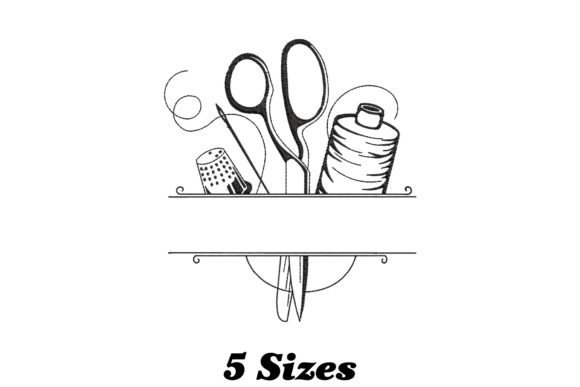
The moment I pulled up the preview for Scissors and Sewing Thread, the vibe was clear. It feels rustic yet clean, making it an ideal candidate for the current farmhouse-meets-modern aesthetic that dominates boutique markets. The imagery of tools of the trade suggests creativity and hard work, which resonates deeply with buyers who value handmade quality. For a craft fair product, immediate recognition is key. Customers walking down an aisle have seconds to decide if they want to stop. This design works because it is universally understood. It does not require explanation. Whether placed on a tote bag or a tea towel, it signals "maker" immediately, creating an emotional connection with creative entrepreneurs and hobbyists alike.
Where This Design Shines on Products
In my experience, the versatility of a design determines its profitability. Scissors and Sewing Thread performs exceptionally well across a variety of substrates. Here is how I plan to deploy it in my booth:
- Tote Bags: As a central tote bag design, this motif looks fantastic on canvas. It turns a simple grocery carrier into a stylish accessory for the local yarn shop or farmers market.
- Aprons: For apron embroidery, placing this on the bib or the lower pocket adds a professional touch that appeals to cooking enthusiasts and crafters alike.
- Kitchen Linens: Tea towel embroidery is a huge seller during holiday seasons. The clean lines of scissors and thread pop beautifully against waffle weave or flour sack cotton.
- Patches and Pouches: When scaled down for an embroidered patch or a small fabric pouch, it becomes a cute accent that encourages impulse buys at the checkout counter.
- Home Decor: On pillow covers, it serves as a subtle nod to the handmade nature of the item, increasing the perceived value of the finished product.
Production Practicality for Small Shops
Running a small shop product line means efficiency is everything. Can I batch produce this? Absolutely. The design appears to have clear sections that allow for quick color changes without excessive trimming. For an Etsy seller or a booth vendor, repeatability is crucial. If the stitch density is managed well, this design should run smoothly on multiple machines simultaneously. However, one must be cautious about the details. Tiny representations of thread spools or scissor handles can get lost if the hoop size is too small or if the fabric texture is too rough.
Photography is another major factor. In online listings, this design offers excellent contrast opportunities. A white thread on a denim background or gold thread on a navy tote creates a stunning printable mockup that drives clicks. The visual clarity of the scissors and thread ensures that even thumbnail images on mobile devices remain recognizable, which is vital for digital marketing and social media promotion.
Critical Considerations for Execution
While Scissors and Sewing Thread is promising, a professional eye must spot potential pitfalls before stitching begins. Here are the careful-use notes I am keeping in mind for production:
- Dense Stitch Areas: Check for overlapping stitches in the scissor blades. Too much density can cause puckering, especially on lighter fabrics.
- Tiny Details: If the design includes small text or intricate thread wisps, verify that they do not disappear when stitched on textured towels.
- Fabric Texture: Rough linen or thick terrycloth can obscure fine details. Always test on the actual material you intend to sell.
- Curved Surfaces: Stitching this on a cap requires careful hooping. The curved surface of a hat can distort the straight lines of the scissors if not stabilized properly.
- Dark Fabric: Ensure the thread colors selected provide enough contrast. A dark thread on a black tote bag will render the design invisible.
Maximizing Value and Customer Engagement
The ultimate goal is to increase the perceived value of your items. Scissors and Sewing Thread adds a layer of authenticity that machine-made goods simply cannot replicate. It tells a story of craftsmanship. When a customer sees this design, they understand that time and skill went into the creation. This justification allows for a higher price point. Furthermore, it strengthens brand consistency. If your booth is themed around sewing and crafting, this design acts as a visual anchor that ties your disparate products together, from aprons to pillow covers.
For those looking to expand into commercial embroidery, this design is a safe bet. It avoids trendy fonts that might date quickly and focuses on timeless imagery. However, before listing hundreds of units, you must treat this as a business investment. Create at least one real physical mockup. Do not rely solely on digital renderings. Hold the item in your hands. Does the stabilizer feel stiff? Is the back clean? These tactile details determine whether a customer becomes a repeat buyer.
Final Designer Notes and Licensing
Before you commit to a full production run, there are essential steps to take. First, test the digital embroidery file on scrap fabric that matches your final product. Check the spacing between the scissors and the thread to ensure no bridging issues occur. Confirm the required hoop size fits your equipment, especially if you are using smaller hoops for patches. Select the right stabilizer; cut-away is often better for items that will be washed frequently, like aprons and towels.
Most importantly, review the license terms. The description mentions embellishing t-shirts and home decor, but you must confirm if the license allows for unlimited finished product sales or if there is a cap on the number of physical items you can create. Never assume; always read the fine print regarding design assets. By taking these precautions, Scissors and Sewing Thread can become a reliable revenue stream for your handmade business, delighting customers with its vibrant and imaginative flair while ensuring your production process remains smooth and profitable.