Fisherman Embroidery: A Craft Fair Best-Seller Review
As I prepare my booth for the upcoming weekend craft fair, I am constantly evaluating which machine embroidery design will stop customers in their tracks. Today, I am taking a close look at the Fisherman design. With the camping season in full swing and a growing demand for whimsical home decor, this file feels like a potential heavyweight contender for my table display. My goal is to determine if this design can transition from a digital asset into a high-value handmade product that sells quickly.
First Impressions and Visual Appeal
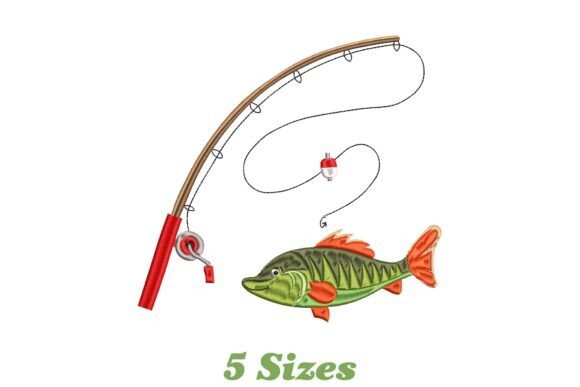
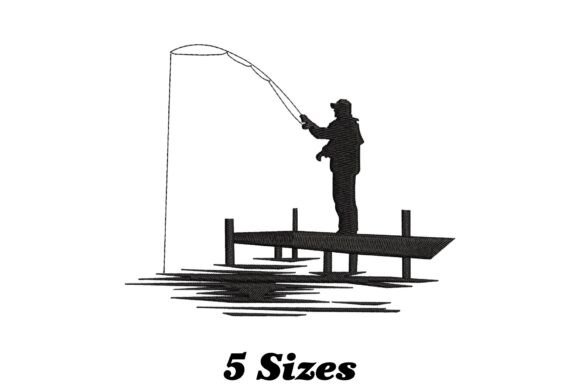
Upon loading the preview of Fisherman, the immediate vibe is undeniably playful and rustic. It does not scream "high-end luxury" in a traditional sense; rather, it exudes a charming, approachable energy that fits perfectly with the current trend of cottage-core and outdoor-inspired aesthetics. For a craft fair product, this is crucial. Customers walking down an aisle are drawn to designs that tell a story or evoke a feeling of nostalgia. The Fisherman motif suggests lazy summer days, lakeside vacations, and cozy kitchens, making it an instant conversation starter.
The design appears bold enough to be seen from a distance but retains enough detail to invite closer inspection. In the context of Camping themed goods, it avoids being too literal or aggressive, opting instead for a softer, more decorative approach. This versatility means it can appeal to both the serious angler and the person who just loves the aesthetic of nautical life.
Strategic Product Placement for Maximum Sales
To maximize the potential of Fisherman, I am visualizing how it performs across various substrates. The description highlights its suitability for t-shirts, towels, and home decor, but let's break down where it will shine brightest on my sales table.
- Tote Bags and Market Bags: This is likely the strongest category. A canvas tote featuring the Fisherman as a central tote bag design creates an instant statement piece. The contrast of colorful thread against natural canvas makes the whimsical elements pop, appealing to shoppers looking for reusable, eco-friendly bags with personality.
- Kitchen Linens: As a tea towel embroidery or apron accent, this design excels. Kitchen textiles are impulse buys at craft fairs. Placing Fisherman on a waffle-weave towel or a linen apron adds a touch of humor and charm to functional items, increasing their perceived value as gifts.
- Embroidered Patches: If the file allows for scaling down without losing clarity, turning this into an embroidered patch is a brilliant move. Patches are low-cost, high-margin items that allow customers to customize their own gear, from denim jackets to backpacks.
- Caps and Hats: While popular, caps require careful consideration. The curved surface can distort complex details. If Fisherman has fine lines, it might need to be simplified or enlarged to work effectively as headwear.
Production Practicality and Batch Efficiency
For an Etsy seller or boutique maker, time is money. The viability of Fisherman depends heavily on its production efficiency. A design that looks great but takes three hours to stitch is not a viable small shop product for a busy fair weekend. I need to assess if this design is suitable for batch production. Can I hoop multiple tea towels at once? Does the run time allow me to churn out inventory before the event?
The description mentions it is perfect for "any item that could use a fun, whimsical touch," implying flexibility. However, as a professional, I must verify the stitch density. High-density areas can cause puckering on lighter fabrics like t-shirts, while low-density areas might look sparse on thick towels. The key is finding the balance where the finished product looks premium without requiring excessive trimming or stabilization time.
Photography and Online Listings
Beyond the physical booth, Fisherman must perform digitally. For my online store, the design needs to photograph well. Whimsical designs often rely on color vibrancy. When creating a printable mockup or shooting real photos for Etsy listings, I will focus on lighting that enhances the thread colors. A flat lay of an apron with this design, surrounded by rustic props like driftwood or fishing nets, could create a compelling narrative that drives clicks and conversions.
Critical Considerations and Careful Use Notes
While Fisherman shows great promise, there are technical hurdles to clear before committing to a large production run. Every experienced embroiderer knows that a digital embroidery file is only as good as its execution on specific materials.
- Fabric Texture and Density: Textured towels can hide small details. If Fisherman includes tiny facial features or small lettering, these might get lost in the loop of a terry cloth towel. Testing on the actual fabric weight is non-negotiable.
- Curved Surfaces: Stitching on caps introduces distortion. If the design has straight horizontal lines (like a horizon or a boat deck), they may appear curved once stitched on a structured cap. Careful hooping and potentially using a firmer stabilizer are required.
- Dark Fabrics: The charm of this design relies on its playfulness. On dark navy or black fabrics, the thread choice becomes critical. Without proper underlay or contrasting thread colors, the design could look muddy or disappear entirely.
- Scaling Limits: Shrinking the design for a small pouch might compromise the integrity of the stitches. It is vital to check the minimum recommended size to ensure the machine embroidery design does not become a blob of thread.
Final Verdict for the Handmade Entrepreneur
The Fisherman design holds significant potential for boosting buyer engagement at a craft fair. Its thematic link to Camping and outdoor leisure taps into a lucrative seasonal market. By positioning it on high-visibility items like tote bags and kitchen linens, it can serve as a focal point that draws customers to my booth.
However, success lies in the details. Before listing this as a commercial embroidery product, I must conduct rigorous testing. I will stitch samples on scrap fabric to check for pull and puckering, experiment with different stabilizer types to support the fabric texture, and confirm the appropriate hoop size to minimize re-hooping during production runs. Furthermore, verifying the commercial licensing terms is essential to ensure I have the right to sell finished goods made with this design asset.
If the test stitches hold up and the colors remain vibrant across different materials, Fisherman will undoubtedly be a staple in my inventory. It offers the perfect blend of functionality and fun, transforming simple blanks into cherished handmade products that customers will love to take home. For any creator looking to expand their apron embroidery or gift collections, this design is worth the investment, provided you respect the technical nuances of machine stitching.