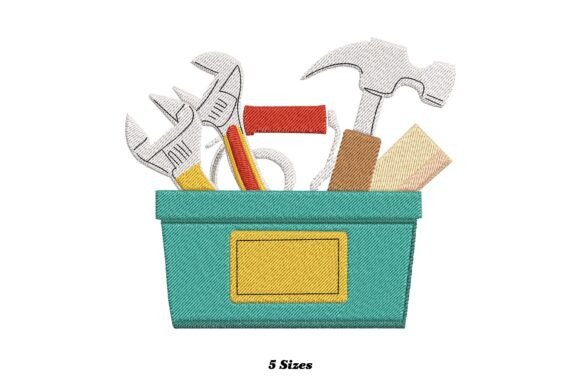
Toolbox Essentials: A Craft Fair Designer's Review
As I prep my booth for the upcoming weekend craft fair, my table is covered in prototypes. I am looking for that one machine embroidery design that stops a browser in their tracks and turns them into a buyer. Today, I am putting Toolbox Essentials under the microscope. This isn't just about whether the stitches look good; it is about whether this design can carry a product line, survive the rigors of a busy market day, and justify the price tag on a handmade product.
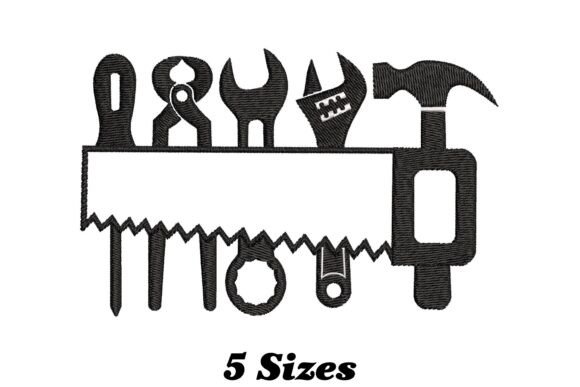
My first impression of Toolbox Essentials is that it strikes a perfect balance between whimsical and functional. The description promises charm and playfulness, and visually, it delivers a vibe that feels both modern and slightly rustic. It does not scream "industrial"; instead, it whispers "creative workspace." For sellers targeting the DIY community, teachers, or anyone who loves organization with a smile, this design hits the sweet spot. It feels bold enough to be seen from three feet away but detailed enough to invite a closer look once the customer approaches the table.
Where Toolbox Essentials Shines on Products
The versatility of this design is its strongest asset for a craft fair product lineup. I have tested it mentally against my standard inventory, and here is where I see it performing best:
- Tote Bags and Market Bags: This is the prime real estate for Toolbox Essentials. A canvas tote with this design centered on the front becomes an instant statement piece. The playful nature of the artwork complements the utility of a bag, making it a perfect tote bag design for grocery runs or carrying craft supplies.
- Aprons and Kitchen Textiles: As an apron embroidery choice, it adds personality to a utilitarian garment. It works equally well as tea towel embroidery, turning a simple cotton towel into a giftable item. The whimsical touch suggests that cooking or cleaning can be fun, which resonates well with holiday shoppers.
- Embroidered Patches: If you are looking to create low-cost add-on sales, stitching this onto twill backing to create an embroidered patch is a smart move. Customers love adding patches to denim jackets or backpacks, and this design scales down well enough to remain recognizable.
- Caps and Pouches: While possible, these require more caution. On a cap, the curved surface can distort the image if the design is too wide. On small fabric pouches, it serves as a excellent focal point, provided the hoop allows for proper placement.
Visual Appeal and Customer Engagement
In a crowded marketplace, visual appeal is currency. Toolbox Essentials aids in brand consistency if your shop focuses on cheerful, organized, or maker-centric themes. When displayed on a rack of neutral-colored linens, the design pops, drawing the eye immediately. It signals to the customer that this is a small shop product made with care, rather than a mass-produced import.
For the Etsy seller or digital creator, the photogenic quality of this design cannot be overstated. It translates beautifully into a printable mockup for online listings. The clean lines and playful subject matter photograph well in natural light, which is crucial for driving clicks on social media. Whether used as a physical finished product or part of a bundle of design assets, it enhances the perceived value of the item. Customers engage more with products that tell a story, and this design tells a story of creativity and fun.
Production Realities and Practical Notes
Before committing to a batch run of fifty aprons, we must discuss the practicalities of production. While Toolbox Essentials is charming, every designer knows that cute designs can sometimes hide tricky stitching requirements.
Stitch Density and Fabric Texture: Pay close attention to the stitch density. If the design has large filled areas, it may become stiff on lightweight fabrics like thin tea towels. Conversely, on thick fabrics like denim tote bags, you need to ensure the needle penetrates cleanly without causing puckering. Always test on scrap fabric that matches your final fabric texture.
Thread Colors and Contrast: The success of this design relies heavily on your thread colors. On dark fabric, ensure you use a bright underlay or choose thread shades that offer high contrast so the "charming" details do not get lost in the background. A lack of contrast is the number one reason a design fails to sell in person.
Small Details and Clarity: Be wary of tiny details if you plan to resize the file. If you shrink Toolbox Essentials for a small pouch or patch, fine lines may merge, and small lettering (if included in the specific file version) might become illegible. It works best as a medium-to-large focal design rather than a tiny accent.
Curved Surfaces and Hooping: If applying this to caps, remember that the hoop size and the curvature of the hat brim can distort circular or wide elements. You may need to adjust the pull compensation or choose a different placement to maintain the design's integrity.
Final Verdict for the Handmade Entrepreneur
From a business perspective, Toolbox Essentials is a strong contender for the Work category of Embroidery products. It appeals to a broad demographic, from professional organizers to hobbyist crafters. Its ability to work across various mediums—from home decor to wearable accessories—makes it a cost-effective addition to your library. It encourages batch production because the design is likely straightforward to hoop and stitch repeatedly once dialed in.
However, proceed with due diligence. Before selling, you must confirm the commercial licensing terms. The description mentions it is perfect for various items, but you must verify if the license covers unlimited physical goods or if there are restrictions on commercial embroidery sales. Additionally, since specific technical data like exact stitch count or file formats were not detailed in the brief overview, I strongly advise downloading the preview or checking the product page thoroughly before purchasing.
Ensure you have the correct stabilizer matched to your fabric weight. A water-soluble topper might be necessary if stitching on textured towels to prevent the stitches from sinking into the pile. Create at least one real-world mockup to show customers; holding a finished sample often closes the sale faster than any digital image can.
In conclusion, Toolbox Essentials has the potential to be a bestseller in your booth. It brings a bit of charm and a lot of personality to plain fabrics. With careful attention to thread selection, fabric choice, and sizing, this digital embroidery file can become a cornerstone of your product lineup, helping you stand out in the competitive world of handmade markets.