Valentine Bow: A Designer's Review for Real Projects
When I first pulled up the Valentine Bow design on my screen, my immediate reaction wasn't just about the holiday theme; it was about the potential for tangible sentiment. As someone who spends hours hooping fabric and trimming jump stitches, I look for designs that do more than just fill space. I look for character. This design promises to turn ordinary items into a special celebration of love, but does it hold up under the needle? After reviewing the layout and considering its application in a real-world craft business setting, I can say this motif has a distinct personality that fits perfectly into the current trend of boutique-style handmade goods.
First Impressions and Visual Personality
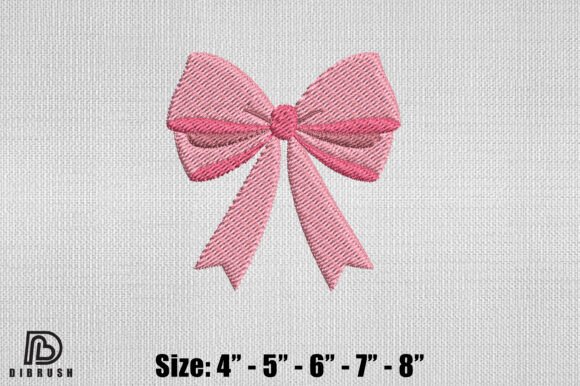
The mood created by the Valentine Bow is undeniably sweet, yet it avoids feeling overly childish or cliché. The shape suggests a classic ribbon tied with care, which immediately evokes feelings of gift-giving and warmth. In terms of layout, the design feels balanced, making it versatile enough to sit centrally on a tote bag or act as a subtle accent on a cuff. The detail level appears sufficient to catch the eye without becoming a muddy mess of thread, provided the stitch density is managed correctly during production. For an embroidery project intended for Valentine S Day, this visual personality hits the right note of romantic charm without screaming "last-minute purchase."
Real-World Application: The Custom Tote Scenario
To truly evaluate this machine embroidery design, I imagined a specific client request: a set of custom canvas tote bags for a local bakery launching a limited-edition Valentine's treat box. The goal was to create packaging that customers would want to reuse, effectively turning the bag into walking advertising. Here, the Valentine Bow shines. Placed on the lower corner of a natural cotton tote, the design adds a touch of elegance that elevates the perceived value of the contents.
Unlike generic heart motifs that saturate the market every February, this bow offers a sophisticated alternative. It works beautifully as a tote bag design because the lines are clean enough to remain recognizable even from a distance. If I were an Etsy seller looking to expand my shop's seasonal offerings, this would be my go-to asset for creating cohesive collections. Whether applied to aprons for a cooking class or tea towels for a housewarming gift, the design maintains its integrity and appeal.
Versatility Across Products
Beyond totes, the versatility of this digital embroidery file is impressive. I can easily see it working as:
- Sweatshirt embroidery: Centered on the chest of a cream-colored fleece for a cozy, festive look.
- Baby embroidery: Adorning the hem of a onesie or a burp cloth, offering a gentle touch for newborn gifts.
- Embroidered patch: Digitized as a stand-alone patch to be ironed onto denim jackets or hats.
- Holiday embroidery: Used on pillow covers to refresh home decor for the season.
The key to its success across these varied mediums is its adaptability. It doesn't rely on complex shading that might get lost on textured fabrics, nor is it so simple that it looks amateurish on high-end apparel.
Technical Considerations and Fabric Challenges
While the aesthetic is strong, a professional reviewer must address the technical realities of stitching. Every embroidery file has its quirks, and knowing where to exercise caution is vital for maintaining quality control.
If you are planning to use the Valentine Bow on stretchy fabric like jersey knits, pay close attention to the stabilizer. A cut-away stabilizer is likely necessary to prevent the design from distorting after multiple washes. Similarly, when working with dark fabric, ensure your thread colors have enough contrast. A dark red bow on a navy sweatshirt might look sophisticated in a mockup but could disappear in low light. Always test your color choices against the actual material.
Curved surfaces present another challenge. If you intend to place this on a cap or a structured hat, the curvature can compress the design, potentially causing the inner details of the bow to merge. In such cases, checking the stitch density is crucial. You may need to adjust the pull compensation or reduce the density slightly to ensure the satin stitch edges lay flat without puckering. For very small hoop sizes, verify that the outer edges of the bow do not get too close to the hoop boundary, which can lead to framing issues.
Stitch Quality and Clarity
The clarity of the stitches defines the professionalism of the finished product. In areas where the ribbon overlaps, the transition between fill stitch and running stitch outlines must be crisp. If the design relies heavily on dense fills, be wary of using it on thin fabrics where the backing might show through or the fabric might pucker. A quick run on scrap fabric is non-negotiable here. This test allows you to inspect small details, such as the tips of the ribbon tails, ensuring they don't fray or lose definition.
Impact on Brand and Customer Trust
For small shop product owners and creative entrepreneurs, the choice of design assets directly influences brand consistency. Using a well-executed motif like the Valentine Bow signals attention to detail. It tells the customer that you care about the presentation of your handmade product. This level of polish builds trust and encourages repeat business.
Furthermore, the "giftability" factor is high. Items featuring this design feel intentional and curated, making them perfect for personalized gift markets. Whether it's a monogram added next to the bow or the design standing alone, it enhances the emotional connection between the giver and the receiver. In the world of commercial embroidery, where competition is fierce, having unique, high-quality design assets that stand out in printable mockup galleries can be the difference between a scroll-past and a sale.
Final Verdict and Designer Notes
The Valentine Bow is a solid contender for your seasonal lineup. It balances festive cheer with a timeless elegance that extends beyond a single day. However, before committing to a large production run or listing it in your online store, adhere to these practical steps:
- Test on Scrap: Always stitch a sample on the exact fabric type you plan to sell.
- Check Licensing: Confirm the license terms regarding commercial embroidery and digital resale. Ensure you are cleared to sell finished items or if there are restrictions on the digital embroidery file itself.
- Review Density: Inspect the stitch count relative to the size. High density on lightweight fabric is a recipe for disaster.
- Mockup Testing: Create black and white mockups to ensure the design reads well without relying solely on color.
- Wash Testing: Run your sample through a wash cycle to check for durability and colorfastness.
In conclusion, the Valentine Bow offers a reliable and charming solution for decorators and makers. With careful attention to fabric selection and machine settings, it can transform simple textiles into cherished keepsakes. It is a design that respects the craft, offering enough detail to satisfy the eye while remaining practical for everyday production.