Cute Duckling Couple: A Designer's Review for Valentine Projects
As someone who spends hours staring at stitch maps and testing tension on scrap fabric, I approach every new machine embroidery design with a mix of curiosity and skepticism. When I first pulled up the Cute Duckling Couple file on my screen, my immediate reaction was one of genuine warmth. There is a specific mood this design creates—it feels playful, innocent, and perfectly suited for the softer side of Valentine S Day. It avoids the overly saccharine clichés often found in holiday embroidery and instead offers a quirky, charming aesthetic that translates well from digital preview to physical thread.
First Impressions and Visual Personality
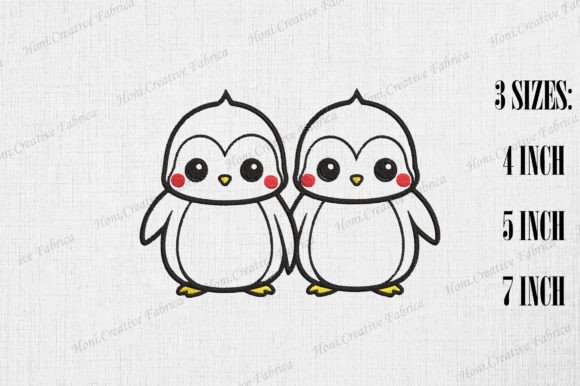
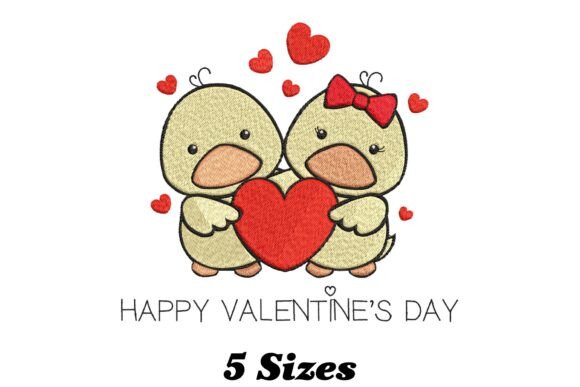
The layout of the Cute Duckling Couple is compact yet expressive. From a design judgment perspective, the silhouette is strong. Even if you were to view this as a black-and-white mockup, the shapes of the two ducks facing each other are distinct and recognizable. This is crucial for Etsy sellers and craft business owners who need their products to pop in thumbnail images or printable mockups.
The visual personality leans heavily into the "kawaii" or cute factor without losing structural integrity. The details appear balanced; there isn't an overwhelming amount of tiny, fragile elements that might vanish under high-speed stitching, nor is it so blocky that it loses its character. For a handmade product line, this balance is essential. It suggests a level of professionalism that builds customer trust. When a buyer sees a clean, well-defined motif, they perceive higher value in the finished product, whether it is a baby onesie or a boutique tote bag.
Real-World Application: The Custom Tote Scenario
To truly evaluate this embroidery project, I imagined a specific real-life scenario: creating a limited run of canvas tote bags for a local spring market. Canvas is a sturdy fabric, but it has a distinct fabric texture that can challenge fine details. The Cute Duckling Couple seems ideally suited for this application. Because the design likely utilizes a mix of satin stitch for outlines and fill stitch for the bodies, it should sit nicely on the heavier weave of a tote without sinking in too deeply.
In this context, the design acts as a focal point. Placed centrally on the bag, it transforms a plain utility item into a personalized gift or a statement piece. The charm of the ducks adds a narrative element—perhaps representing a couple, best friends, or a parent and child. This storytelling aspect increases buyer engagement. Customers aren't just buying a bag; they are buying the feeling of connection the ducks represent. For small shop product lines, this emotional resonance is what drives sales.
Versatility Across Apparel and Home Decor
Beyond totes, the versatility of this digital embroidery file is impressive. I can easily see this working as sweatshirt embroidery on the chest pocket of a fleece hoodie. The softness of the theme complements the cozy nature of winter wear. Similarly, for baby embroidery, this design is a standout choice. New parents are always looking for unique, non-generic motifs for nursery decor or clothing, and these ducks fit that niche perfectly.
For those running a commercial embroidery operation, consider using this on tea towels or aprons. Kitchen linens are huge sellers, and a whimsical touch like this breaks up the monotony of standard floral or geometric patterns. However, when moving to curved surfaces like caps or hats, caution is advised. The curvature can distort the relationship between the two figures. If you plan to use this for headwear, ensure your digitizing software or the provided file accounts for pull compensation so the ducks don't look like they are drifting apart.
Technical Considerations and Stitching Clarity
While the aesthetic appeal is high, a professional reviewer must address the technical execution. The success of the Cute Duckling Couple depends heavily on stitch density and thread colors. If the density is too high, you risk bird nesting or fabric puckering, especially on stretchy materials like t-shirts. Conversely, if it is too low, the fabric might show through, ruining the solid look of the fill areas.
Before committing to a client order, it is vital to test the design on scrap fabric that matches your final material. Pay close attention to the transition points between color changes. In a design featuring animals, the eyes and beaks are critical; if these small details are lost due to poor tension or incorrect stabilizer choice, the entire character of the design suffers. I recommend using a cut-away stabilizer for garments that will undergo frequent washing, ensuring the embroidered patch effect remains stable over time.
Another factor is contrast. On dark fabrics, ensure the thread colors chosen provide enough pop. A pastel duck on a navy blue sweatshirt might look muddy unless the digitizer has included a proper underlay or if you select high-luster threads. Always review the design in both light and dark backgrounds during your planning phase.
Navigating Limitations and Hoop Sizes
One practical constraint to consider is the hoop size. While the description suggests it fits various items, you must verify the dimensions against your machine's capabilities. If the design is near the maximum limit of a small hoop, centering it on a thick seam (like the side of a tote or the collar of a shirt) becomes a nightmare. For custom apparel with complex construction, having a margin of error in your hooping area is always safer.
Additionally, be wary of using this on highly textured fabrics like looped towels without adequate topping. The loops can eat up the fine satin stitches, making the edges of the ducks look jagged. In such cases, a water-soluble topping is non-negotiable to maintain stitching clarity and professionalism.
Final Verdict for Designers and Makers
The Cute Duckling Couple is more than just a cute graphic; it is a viable asset for a diverse range of design assets in a creative entrepreneur's library. Its strength lies in its adaptability and its ability to convey emotion without being overly complex. For holiday embroidery collections, particularly around Valentine's or Easter, this design offers a fresh alternative to hearts and bunnies.
However, remember that the quality of your finished product relies on your preparation. Check the license terms carefully before selling items made with this embroidery file; some designers allow unlimited physical sales while restricting digital redistribution. Confirm these details to protect your craft business. Finally, never skip the test stitch. What looks perfect on the screen must prove itself on the fabric. If treated with the right materials and techniques, this design has the potential to become a signature element in your shop, enhancing your brand consistency and delighting your customers with its undeniable charm.