Review: Delightful Elephant for Real Projects
As a designer who spends more time staring at stitch previews than actual fabric, I approach every new machine embroidery design with a mix of excitement and skepticism. We've all been there: you download a cute file, load it onto your machine, and halfway through the stitching process, you realize the density is off or the details are going to get lost in the nap of the towel. That is why I took a close look at Delightful Elephant before committing it to any client work or personal handmade product. This isn't just about whether it looks cute on a screen; it is about how it performs when the needle hits the fabric.
First Impressions and Visual Personality
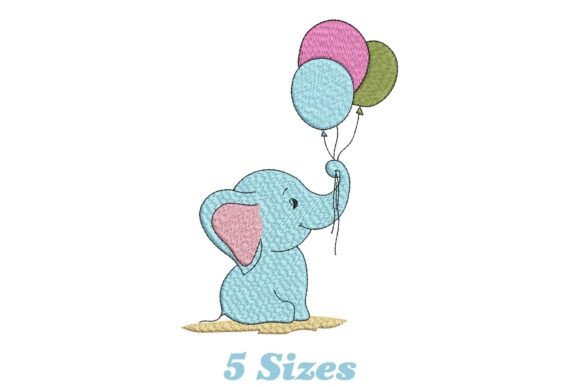
The moment I opened the preview for Delightful Elephant, the mood was immediately clear. It strikes a perfect balance between whimsical and structured, which is often hard to achieve in the Baby Animals category. Many designs in this niche lean too heavily into cartoonish exaggeration, resulting in clunky shapes that lack refinement. However, this design feels intentional. The lines are clean, and the layout suggests a thoughtful distribution of satin stitch and fill stitch elements.
The visual personality of the elephant is cheerful without being overwhelming. For an Etsy seller or a boutique owner, this is crucial. You want a design that adds character to a garment without dominating the entire piece. The shape is compact enough to work as a focal point on a pocket but detailed enough to stand alone on a larger canvas. When I imagine this stitched out, I see a finished product that feels professional rather than like a hobbyist experiment. It has that "designed" look that builds customer trust instantly.
Real-World Application: The Tote Bag Test
To truly evaluate an embroidery project, I like to visualize it in a specific real-life scenario. Let's say I am preparing a custom order for a local baby shower. The client wants a set of personalized tote bags for guests to carry gifts. This is where Delightful Elephant shines. Tote bags, usually made of canvas or heavy cotton, provide a stable base that allows the stitch definition to pop.
In this context, the design acts as a charming anchor for the bag. Because it falls under the Baby Animals theme, it naturally appeals to parents and gift-givers. If I were to pair this with a simple monogram or a date, the elephant serves as the artistic hook that draws the eye. The thread colors suggested in the standard palette seem vibrant, but the real test is how they translate to physical thread. On a natural beige canvas, a soft grey or pastel blue version of this elephant would look incredibly sophisticated, moving it away from "nursery only" and into the realm of everyday fashion.
Beyond tote bags, I can easily see this working as sweatshirt embroidery. A crewneck sweatshirt in heather grey with this design on the left chest creates a high-value custom apparel item. It is the kind of subtle branding that makes people ask, "Where did you get that?" which is exactly what we want for our small shop products.
Technical Considerations and Fabric Choices
While the aesthetic is strong, a responsible designer must address the technical realities of Embroidery. No design is universal, and Delightful Elephant requires some strategic thinking regarding fabric and stabilization.
- Fabric Texture: On textured fabrics like terry cloth towels or looped knits, fine details can get swallowed up. If you plan to use this on a bath towel, ensure the stitch density is high enough to cover the loops, or consider using a heavier topping stabilizer to keep the stitches floating above the texture.
- Stretchy Materials: For baby embroidery on onesies or stretchy jerseys, stability is key. The curvature of the elephant's trunk and ears needs a firm foundation. I would strongly recommend using a cut-away stabilizer rather than tear-away for these applications to prevent distortion after washing.
- Dark Fabrics: If stitching on dark navy or black garments, check if the design includes an underlay or if you need to manually add one. Lighter thread colors on dark fabric can sometimes show gaps if the fill isn't dense enough.
- Small Hoop Sizes: While the design appears versatile, always check the specific dimensions against your hoop size. If you are aiming for an embroidered patch application, ensure the smallest details, like the eyes or decorative accents, won't get lost when scaled down.
It is also worth noting that curved surfaces, like caps, can be tricky with animal faces. The distortion might alter the expression of the elephant. I would advise testing this on a cap scrap first before running a full batch for a client.
Commercial Viability and Brand Consistency
For those of us running a craft business, the value of a design goes beyond its cuteness; it lies in its ability to generate sales and reinforce brand identity. Delightful Elephant has high "giftability." It fits perfectly into seasonal collections, serving as excellent holiday embroidery for Christmas stockings or Easter baskets. Its neutral yet engaging style means it doesn't alienate customers with overly specific trends that might fade next month.
When creating printable mockup files for your online store, this design photographs well. The clear lines and distinct shapes translate effectively into digital images, helping your design assets look crisp on Instagram or Etsy listings. However, before listing any finished product featuring this design, you must verify the licensing terms. Some digital embroidery file creators allow unlimited sales of physical goods but restrict the sale of the digitized file itself. Always confirm whether your intended use counts as commercial embroidery under the specific license provided with the download.
Final Designer Notes for Success
Before you commit to a large production run, treat Delightful Elephant with the same rigor you would any other asset in your library. Here is my practical checklist for ensuring the best results:
- Test on Scrap: Never skip the sample stitch-out. Use the exact fabric and stabilizer combination you plan to use for the final product.
- Check Contrast: Review how the design looks in black and white. If the details disappear in grayscale, you may need to adjust thread choices for better definition.
- Inspect Density: Look closely at the fill areas. If they look too sparse, consider increasing the density slightly in your editing software, provided you have the rights to modify the file.
- Verify Dimensions: Confirm the hoop size requirements match your machine's capabilities, especially if you are working with smaller hoops for patches or pockets.
- Wash Testing: Since many of these items (like towels and baby clothes) will be washed frequently, run a wash test to ensure the stitches hold up and the fabric doesn't pucker.
In conclusion, Delightful Elephant is a robust contender for your next project. It offers a blend of charm and technical soundness that, when handled with care, can elevate a simple piece of fabric into a cherished keepsake. Whether you are decorating a nursery or stocking your boutique shelves, this design has the potential to deliver a finished product that customers will love and trust.