One Line Giraffe: A Designer's Review for Business Merch
As an embroidery designer who spends most of my days digitizing logos and troubleshooting stitch paths for commercial clients, I approach every new machine embroidery design with a critical eye. It is not just about whether a motif looks cute on a screen; it is about how that digital embroidery file translates to physical fabric, withstands industrial washing, and elevates a brand's identity. Recently, I evaluated the One Line Giraffe for potential use in small business merchandise, specifically looking at its viability for branded patches, uniform accents, and boutique product lines. This review breaks down why this specific animal-themed design works for professional applications and where caution is needed.
First Impressions: Modern Minimalism Meets Whimsy
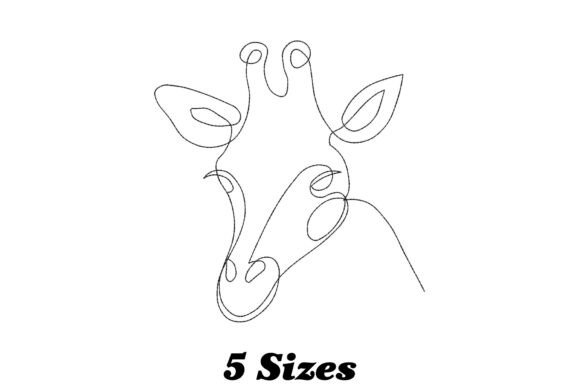
The immediate visual impact of the One Line Giraffe is its striking simplicity. In a market saturated with overly complex, high-density cartoon animals, a single-line aesthetic offers a refreshing change of pace. The design feels modern, elegant, and undeniably playful without crossing into childish territory. For a creative studio, a florist, or a trendy café, this vibe is perfect. It suggests a brand that values creativity and approachability. Unlike traditional, blocky animal logos that can feel heavy on lightweight fabrics, this continuous line style feels airy and sophisticated. It bridges the gap between a hand-drawn sketch and a polished vector logo, making it an excellent candidate for businesses wanting to project a "handmade" yet professional image.
Real-World Application for Small Business Merch
When considering where to deploy the One Line Giraffe, the versatility is its strongest asset. For small business owners selling custom apparel, this design shines as a chest logo accent on work shirts or as a subtle sleeve detail on staff uniforms. Because it relies on a single continuous path (conceptually), it minimizes thread jumps, which is crucial for maintaining a clean look on the backside of garments—a detail often overlooked but vital for comfort in uniforms.
For those creating an embroidered patch, this design is a standout choice. Patches are currently a huge trend in small business merch, used everything from backpacks to denim jackets. The linear nature of the giraffe ensures that the patch remains flexible and does not become a stiff cardboard-like square on the garment. Furthermore, for hospitality businesses like bakeries or pet boutiques, applying this as apron embroidery adds a touch of personality that standard text-only aprons lack. It serves as a conversation starter for customers while reinforcing brand recognition.
I also see significant potential for tote bag design. Canvas totes are staples for eco-conscious brands, and a large-scale version of this giraffe centered on a bag creates a bold, artistic statement. It transforms a generic promotional item into a desirable accessory that customers actually want to carry around town, effectively turning them into walking billboards for your brand.
Strategic Use Cases for Brand Identity
- Café and Bakery Uniforms: Use as a small chest emblem on barista aprons to signal a fun, artisanal atmosphere.
- Boutique Packaging: Stitch onto fabric tags attached to clothing or home goods to elevate the unboxing experience.
- Event Merchandise: Ideal for limited-run t-shirts at community markets or craft fairs where uniqueness sells.
- Pet Brands: Given the animal category, this is perfect for pet bandanas or owner-matching shirts, tapping into the lucrative pet owner demographic.
- Corporate Gifts: Embroider on high-quality polo shirts for client gifts to show attention to detail and creativity.
Technical Considerations and Potential Pitfalls
While the aesthetic appeal is high, a professional must address the technical realities of stitching a one-line concept. The primary concern with any linear design is stitch density. If the digitizer has not accounted for pull compensation, a long continuous line can cause fabric distortion, especially on stretchy knits or loose-weave linens. When reviewing this for cap embroidery, extra care is needed. Caps have curved surfaces, and a long horizontal or diagonal line can pucker if the stabilizer isn't robust enough. I recommend testing this design on a scrap piece of the exact cap material before committing to a full production run.
Another factor is visibility against dark fabrics. Since the design relies on a single line weight, using a thread color that lacks sufficient contrast against a navy or black uniform will render the giraffe invisible from a distance. For commercial embroidery projects involving dark garments, consider using a metallic or high-gloss thread to make the line pop, or opt for a double-stitch variation if the license permits modification.
Size matters immensely here. While the description suggests suitability for towels and pillows, shrinking this design down to a tiny label size (under 1 inch) might cause the line to break or merge, losing the definition of the giraffe's features. Always request a printable mockup at actual size to verify legibility before hooping.
Enhancing Brand Value and Customer Trust
Incorporating the One Line Giraffe into your product line does more than just decorate an item; it refines your brand identity. Consistency in visual assets builds trust. If your logo is minimalist, this design complements it perfectly, creating a cohesive visual language across your website, packaging, and apparel. Customers perceive embroidered items as higher value than printed ones. The texture of the thread and the permanence of the stitch suggest quality and durability. By choosing a unique design like this over a generic clip-art animal, you signal to your buyers that you care about the details, which fosters loyalty and encourages repeat business.
Essential Designer Notes for Production
Before running this design on your commercial machine, adhere to these practical steps to ensure a flawless finished product:
- Test in Black and White First: Stitch a sample using black thread on white fabric to clearly see the line integrity and spacing without the distraction of color.
- Check Small Patch Viability: Verify that the design holds up when scaled down for wristlets or small badges.
- Review Thread Contrast: Ensure your chosen thread colors stand out sharply against the base fabric.
- Inspect Spacing: Look for areas where the line doubles back on itself; ensure there is enough gap to prevent thread bunching.
- Confirm Hoop Size: Check the dimensions of the embroidery file to ensure it fits your available hoops, especially for larger tote bag applications.
- Test on Real Fabric: Never skip a test run on the actual material you intend to sell, as fabric texture greatly affects stitch appearance.
- Use Proper Stabilizer: Match your stabilizer to the fabric weight; cut-away is often safer for items that will be washed frequently.
- Create a Client Mockup: Always present a digital or physical mockup to your client for approval before final production.
- Compare Design Assets: Place this design next to your existing logo to ensure visual harmony.
- Verify Licensing: Confirm the commercial licensing terms explicitly allow for use in products for resale.
The product description notes that this design is perfect for t-shirts, towels, pillows, and home décor, but it does not specify exact stitch counts, available formats, or specific hoop requirements. As a professional, I strongly advise contacting the vendor or checking the product listing thoroughly for these technical specs before purchasing. Knowing whether you are getting PES, DST, or EXP formats, and understanding the stitch count, is essential for estimating production time and costs.
In conclusion, the One Line Giraffe is a versatile and stylish addition to any embroidery designer's library. When applied with technical precision and strategic thinking, it can significantly enhance the appeal of handmade products and branded merchandise. It offers a blend of whimsy and professionalism that resonates well with today's consumers, making it a smart investment for businesses looking to stitch their mark on the industry.