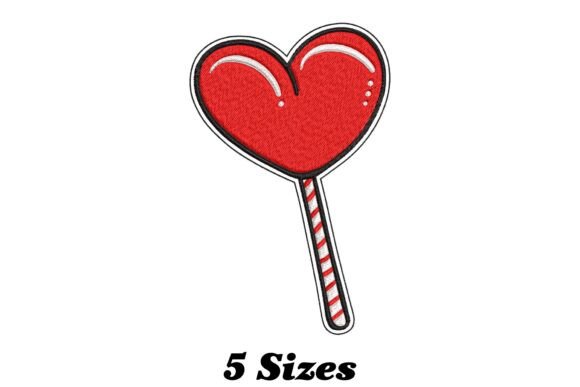
Candy Heart: A Designer's Review for Small Business Merch
As an embroidery designer who spends countless hours digitizing and testing files for commercial use, I approach every new machine embroidery design with a critical eye. It is not just about whether a pattern looks cute on a screen; it is about how it performs on a cap, how it holds up on a washed apron, and whether it elevates a brand's identity. Today, I am reviewing Candy Heart, a trendy design categorized under Valentine S Day, to see if it has the legs to serve as a year-round asset for small business merch and branded patches.
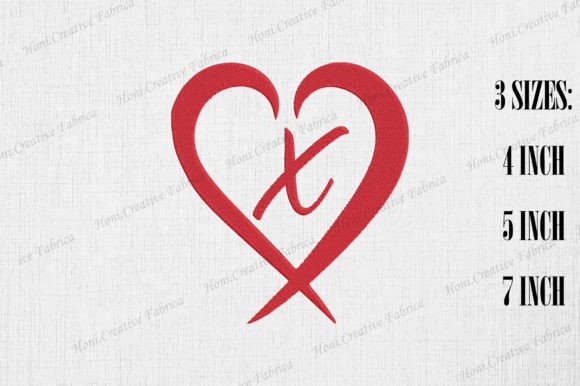
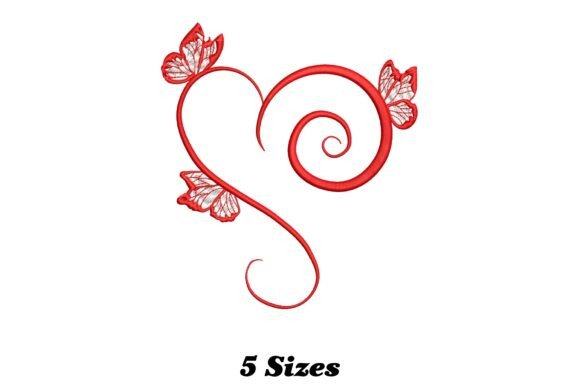
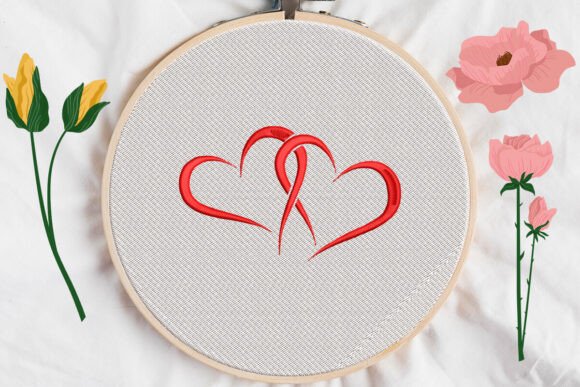
My first impression of Candy Heart is that it strikes a delicate balance between playful and professional. The description promises a "dash of character" and a "cheerful and artistic touch," which immediately signals its potential for boutique branding. Unlike overly complex digital art that fails in thread, this design appears to lean into the strengths of embroidery by focusing on bold shapes and clear lines. For a bakery, florist, or creative studio, this visual personality suggests warmth and approachability without sacrificing the clean look required for a logo accent.
Real-World Application for Branded Merchandise
When evaluating a digital embroidery file for business use, I always ask: "Where will this live?" Candy Heart shines as a versatile element for custom apparel. Imagine a local coffee shop looking to upgrade their staff uniforms. Placing this design as a chest logo accent on a work shirt or embroidering it onto the bib of an apron embroidery project adds a layer of handmade charm that customers love. It transforms a standard uniform into a piece of handmade product storytelling.
Beyond apparel, the potential for an embroidered patch is significant. Patches are a low-risk, high-reward way for Etsy sellers and craft businesses to create sellable assets. Candy Heart could be stitched onto a twill backing and applied to tote bags, beanies, or even used as a decorative seal on product packaging. For a pet brand or a gift shop, offering a tote bag design featuring this motif during seasonal promotions can drive engagement. The "artistic touch" mentioned in the product details makes it suitable for limited-edition runs, creating a sense of exclusivity around your small business merch.
Navigating Technical Challenges in Production
However, enthusiasm must be tempered with technical scrutiny. While Candy Heart offers a cheerful aesthetic, there are specific scenarios where caution is required. If you intend to use this for cap embroidery, you must consider the curvature of the front panel. Designs with fine details or high stitch density can pucker or distort on curved surfaces. Before committing to a large run, test the design on a spare cap to ensure the registration remains sharp.
Similarly, when scaling down for small patches or sleeve details, verify that the thread colors maintain sufficient contrast. A design that looks vibrant on a monitor can become muddy if the color transitions are too subtle for the needle to execute at a smaller scale. Dark uniforms present another challenge; ensure the design includes enough saturation or a satin border to pop against black or navy fabrics. Furthermore, items subjected to frequent washing, like kitchen aprons or gym tees, require a robust underlay and appropriate stabilizer to prevent the "cheerful" elements from fraying over time.
Impact on Brand Identity and Customer Trust
In the world of commercial embroidery, consistency is king. Using a cohesive set of design assets like Candy Heart helps build visual recognition. When a customer sees this specific heart motif on your social media, your website, and then physically on a product they purchased, it reinforces trust. It signals that your brand pays attention to detail. A well-executed embroidered logo suggests quality and permanence, far exceeding the perceived value of a printed vinyl decal.
For handmade brands, the texture of thread adds a tactile dimension that enhances the finished product. It tells the buyer that time and care were invested in their item. This emotional connection can justify a higher price point and foster loyalty. Whether used as a subtle sleeve detail or a bold back print, Candy Heart contributes to a narrative of craftsmanship that resonates deeply with modern consumers who value authenticity over mass production.
Essential Notes for the Professional Embroiderer
Before you load this embroidery file into your machine for a client order, I recommend a rigorous testing protocol. First, stitch out a sample in black and white. This removes the distraction of color and allows you to inspect the spacing and density purely on form. Does the design hold together? Are there any long jumps that need trimming?
- Check Hoop Size: Confirm the required hoop size fits your machine's capabilities, especially if you are working with smaller frames for patches.
- Fabric Testing: Always test on the actual fabric intended for the final run. Fabric texture plays a huge role in how stitches lay; a design on smooth cotton behaves differently than on textured canvas or stretchy jersey.
- Mockups: Create a printable mockup for client approval. Visualizing the design on a flat image of the garment helps manage expectations regarding placement and scale.
- Licensing: Crucially, confirm the commercial licensing terms. Ensure you have the right to use this design for resale items or branded merchandise before investing thread and time.
Since the product description cuts off slightly regarding specific machine compatibility, do not assume the stitch count or exact file formats available. You must verify these details with the vendor to ensure compatibility with your specific embroidery software and hardware.
In conclusion, Candy Heart represents more than just a seasonal decoration; it is a potential cornerstone for a small business's visual identity. With careful attention to technical execution and strategic placement, it can elevate everything from staff uniforms to retail packaging. By treating this machine embroidery design as a serious branding tool rather than a fleeting trend, entrepreneurs can leverage its artistic flair to build a more recognizable and trusted brand presence.