Fish on a Rod: A Whimsical Design for Craft Fair Success
As I prepare my booth for the upcoming weekend market, I am constantly evaluating which machine embroidery design will stop customers in their tracks. Today, I am reviewing Fish on a Rod, a playful file that promises to bring charm to various fabrics. For us Etsy sellers and boutique makers, the difference between a bestseller and a shelf-sitter often comes down to immediate visual appeal and practical production value. This review breaks down how this specific embroidery file performs in a real-world craft fair product scenario.
First Impressions and Market Mood
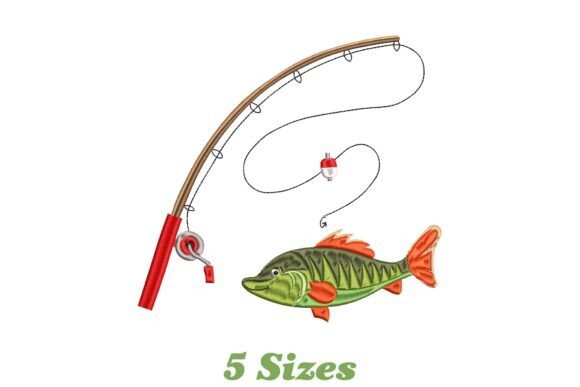
When I first loaded the preview of Fish on a Rod, the vibe was instantly clear: it is cute, whimsical, and undeniably fun. It does not scream high-end luxury or strict minimalism; instead, it offers a relaxed, rustic energy that fits perfectly with the current trend toward handmade, personality-driven goods. The title suggests a narrative—a simple moment of leisure or a humorous take on fishing—which resonates well with buyers looking for handmade product gifts that tell a story. Whether you are targeting the Camping niche or just general home decor lovers, this design feels approachable. It has the kind of "friendly" aesthetic that encourages impulse buys at a busy market table.
Product Applications and Visual Impact
The true test of any digital embroidery file is its versatility across different substrates. Here is how Fish on a Rod stacks up on common market items:
- Tote Bags and Market Bags: This is likely the strongest contender for this design. A tote bag design needs to be readable from a distance, and the playful nature of a fish on a rod works beautifully on canvas or cotton twill. It transforms a basic bag into a statement piece for grocery runs or beach days.
- Aprons and Tea Towels: For the kitchen section of my booth, apron embroidery and tea towel embroidery are staples. This design adds a touch of humor to cooking gear. On a waffle-weave towel, the texture might interact interestingly with the stitches, provided the density is managed well.
- Caps and Patches: Applying this to a curved cap surface requires caution. If the design is too wide, it may distort. However, as an embroidered patch sewn onto a denim jacket or backpack, it could be a huge hit for the outdoor enthusiast demographic.
- Pillow Covers and Pouches: As a focal point on a small pouch or a corner accent on a pillow, it adds that necessary "finished product" polish that justifies a higher price point.
Production Practicality for Small Shops
For a small shop product line, efficiency is key. Can I batch produce this? The answer depends largely on the stitch density and the complexity of the color changes. A design intended for commercial embroidery must be robust. If Fish on a Rod features long runs without trims, it speeds up production significantly. Conversely, if it relies on many tiny details, it might slow down the machine and increase the risk of bird nests or thread breaks during a high-volume weekend.
Photography is another critical factor. Does this design photograph well for online listings? Playful designs with distinct shapes usually create excellent printable mockup opportunities. The contrast between the thread and the fabric will determine how "pop" the image looks on social media. A bright fish against a navy tote bag creates a high-contrast image that stops the scroll, essential for any Etsy seller trying to stand out in a crowded marketplace.
Critical Considerations and Care Notes
While the charm is evident, we must address the technical challenges. Not every fabric plays nice with every design assets package. Here are specific areas where Fish on a Rod might require extra attention:
- Fabric Texture: Stitching on textured towels can cause small details to get lost. If the design includes fine lines representing the fishing line or small scales, they may disappear into the loop of a terry cloth towel.
- Dark Fabric: Ensure the thread colors provided in the file offer enough contrast for dark garments. You may need to manually edit the color sequence in your software to ensure visibility.
- Curved Surfaces: As mentioned regarding caps, the hoop size and the physical dimensions of the design matter. If the rod element is long and rigid, it might pucker on a curved hat front unless properly stabilized.
- Dense Stitch Areas: Check for heavy fill areas. Too much density on lightweight fabric can cause puckering or make the item feel stiff and uncomfortable to wear.
Enhancing Brand Consistency and Buyer Engagement
Incorporating Fish on a Rod into your collection can strengthen your brand identity if you position it correctly. It signals that your shop values fun and creativity. When displayed in a booth alongside other nature-inspired or whimsical items, it creates a cohesive theme that draws customers in. The emotional connection buyers feel toward a "cute" design often leads to higher engagement; people love to point out details they find amusing. This design has the potential to be a conversation starter, allowing you to connect with customers about their own fishing stories or love for the outdoors, thereby increasing the perceived value of the handmade product.
Final Designer Recommendations
Before committing to a full production run for your next market, follow these professional steps to ensure quality control:
- Test on Scrap Fabric: Always stitch out the design on the exact same material you plan to sell. What looks good on muslin might look terrible on canvas.
- Check Thread Contrast: Verify that the suggested thread palette works for your specific inventory. Don't be afraid to swap colors to match your brand palette.
- Review Spacing and Density: Zoom in on your digitizing software. Are the elements too close together? Will they merge when stitched?
- Confirm Hoop Size: Ensure the design fits within your available hoops without needing excessive re-hooping, which slows down production.
- Select the Right Stabilizer: Match your stabilizer to the fabric weight. Heavy designs on light fabric need strong cut-away support.
- Create a Real Mockup: Do not rely solely on digital previews. Sew one sample item to use as a physical display piece in your booth.
- Verify Licensing: Crucially, confirm the commercial licensing terms included with the file. Since the description mentions bringing charm to fabrics for various items, ensure you have the right to sell finished goods made with this machine embroidery design.
In conclusion, Fish on a Rod appears to be a versatile and engaging addition to a craft fair inventory. Its whimsical nature appeals to a broad audience, from campers to home cooks. By paying attention to fabric choices, stabilization, and presentation, you can turn this simple design into a profitable staple for your handmade business. Remember, the success of any embroidery file lies not just in the digital data, but in the thoughtful execution by the maker.