The Figure Skater in Retro Style: A Pro Review
As an embroidery designer who has spent years digitizing and testing files for commercial use, I approach every new machine embroidery design with a critical eye. It is not enough for a file to look pretty on a screen; it must perform under the needle, withstand washing, and elevate a brand's identity. Today, I am reviewing The Figure Skater in Retro Style, a winter-themed asset that holds significant potential for small business merch and branded patch applications.
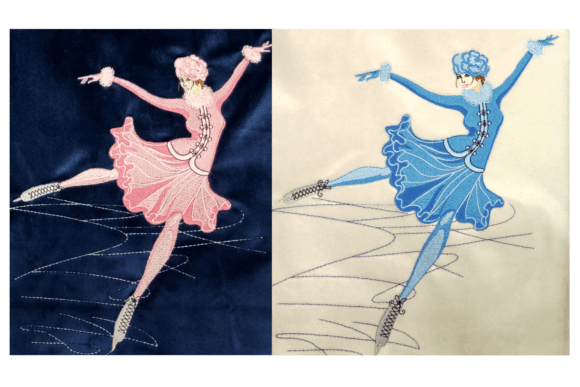
Upon first inspection, this design exudes a charming, nostalgic personality. The "retro" descriptor in the title suggests a stylized approach rather than hyper-realism, which is often a smart move for embroidery. Highly detailed, photorealistic figures can sometimes result in excessive stitch density or tiny, fragile details that break down after a few wash cycles. However, a retro aesthetic typically relies on bold shapes and simplified lines, making it inherently more durable for commercial embroidery projects. The vibe is playful yet elegant, striking a balance that works well for boutiques, creative studios, and seasonal product lines.
Evaluating Business Versatility and Application
For small business owners, the true value of a digital embroidery file lies in its versatility. How many different products can this single design enhance? The Figure Skater in Retro Style shines here. Because the description notes it has been "tested by embroidery," we can assume a baseline of reliability, but let us dig deeper into specific use cases.
First, consider embroidered patch production. This is arguably the strongest application for this design. A retro figure skater makes for an excellent collectible patch that customers love to iron onto denim jackets or backpacks. For a local café or bakery looking to create limited-edition winter merchandise, this design could serve as the centerpiece of a branded patch series. The clean lines likely translate well to merrowed edges or laser-cut finishes.
Secondly, think about staff uniforms. For a boutique hotel or a high-end ice cream parlor with a vintage theme, placing this design on an apron embroidery project adds a touch of whimsy without sacrificing professionalism. It acts as a subtle nod to the season while reinforcing a cohesive brand story. Similarly, on a structured cap, this design could work beautifully as a front-center logo or a side accent, provided the scaling is handled correctly to avoid distortion on the curved surface.
Tote bags are another prime candidate. A tote bag design featuring a retro skater appeals to the eco-conscious shopper who appreciates handmade aesthetics. Whether used as a main graphic on a canvas tote or a small chest logo on a heavy hoodie, the design's potential to drive engagement is high. It transforms a standard item into a piece of custom apparel that tells a story.
Critical Considerations for Production
While the artistic merit is clear, a professional review must address the technical challenges. Every embroidery shop knows that what looks good in a printable mockup does not always stitch out perfectly. There are specific areas where The Figure Skater in Retro Style requires careful handling.
- Scale and Detail: If you intend to use this as a small patch (under 2 inches), you must verify that the fine details of the skater's pose do not collapse. Retro styles often use thin outlines that can disappear if the design is scaled down too aggressively.
- Fabric Texture: The success of this design depends heavily on the fabric texture. On smooth twill or broadcloth, the stitches will lay flat and crisp. However, on textured fleece or thick terrycloth, the "retro" lines might get lost. Always test on the actual material you plan to sell.
- Thread Colors: Retro palettes often involve specific, muted tones. Ensure your thread colors match the intended vibe. If the design relies on subtle shading, switching to a high-contrast black-and-white version for dark uniforms might be necessary to maintain visibility.
- Stabilizer Selection: Given the dynamic pose of a figure skater, there may be directional stitching that requires robust support. Using the correct stabilizer is non-negotiable to prevent puckering, especially on stretchy fabrics like jersey knits used in t-shirts.
Impact on Brand Identity and Customer Trust
In the world of handmade products and small business merch, consistency is king. Using a high-quality, tested design like The Figure Skater in Retro Style signals to your customers that you care about quality. A sloppy stitch-out can damage brand identity instantly, whereas a clean, professional finish builds trust.
This design offers a unique opportunity to create visual consistency across various design assets. Imagine using the skater on your holiday cards, your staff aprons, and your limited-edition tote bags. This repetition creates recognition. When a customer sees that same retro skater on their purchase, it reinforces the memory of your brand. It elevates the perceived value of the finished product, allowing you to potentially command a higher price point compared to generic, off-the-shelf decorations.
Practical Designer Notes for Implementation
Before you commit to a full production run, I strongly advise following a rigorous testing protocol. Do not assume the file is ready just because it is marketed as "tested." Every machine and thread combination behaves differently.
- Test in Monochrome: Stitch the design out in black thread on white fabric (and vice versa). This reveals the underlying structure and density without the distraction of color. If it looks good in black and white, it will likely succeed in color.
- Verify Hoop Size: Check the required hoop size against your machine's capabilities. While the description mentions a "minimum number of" (likely referring to stitches or colors, though the text cuts off), ensure the physical dimensions fit your intended placement area, especially for cap frames or small pockets.
- Check Licensing: Before selling items with this design, confirm the commercial licensing terms. Some files are for personal use only, while others allow unlimited sales of physical goods. Never assume; always read the license included with the embroidery file.
- Create Client Mockups: If you are doing this for a client, generate a realistic printable mockup showing the design on their specific garment. This manages expectations and ensures they approve the scale and placement before you stitch a single thread.
- Compare Assets: Place this design beside your existing logo or other seasonal graphics. Does The Figure Skater in Retro Style clash, or does it complement your current catalog? Visual harmony is essential for a professional presentation.
In conclusion, The Figure Skater in Retro Style appears to be a robust contender for winter-themed merchandise. Its retro styling likely offers the durability needed for frequent wear, while its subject matter provides the emotional hook that drives sales in the handmade and boutique sectors. By respecting the technical limitations regarding size and fabric, and by rigorously testing the file before full-scale production, embroidery professionals can leverage this design to create standout products that resonate with customers and strengthen brand loyalty.