Cute Ice Cream Cat: A Pro Review for Branded Merch
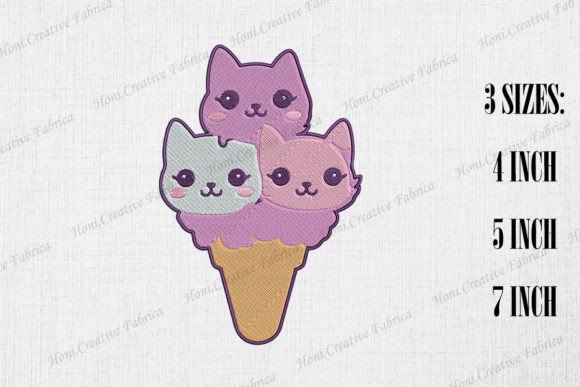
As an embroidery designer who has spent years digitizing and stitching logos for small businesses, I approach every new machine embroidery design with a critical eye. It is not just about whether a file looks cute on a screen; it is about how that digital embroidery file translates into a tangible asset that builds brand value. Today, I am reviewing the Cute Ice Cream Cat design, specifically evaluating its potential for small business merchandise, branded patches, and custom apparel.
The first impression of Cute Ice Cream Cat is undeniably playful and friendly. In the world of branding, especially for bakeries, pet boutiques, creative studios, or local cafés, this vibe is gold. The combination of feline charm and a sweet treat creates an immediate emotional connection. However, from a professional standpoint, "cute" must also mean "stitchable." Does this design hold up under the scrutiny of high-speed commercial machines? Can it serve as a recognizable mark of quality on a staff uniform or a premium product label? Let us dive into the practical application of this design for serious business use.
Real-World Application for Small Business Merch
When considering where to deploy Cute Ice Cream Cat, the versatility described in its potential applications is promising. The description notes suitability for clothes, baby's onesies, home decor, t-shirts, tablecloths, and towels. For a business owner, this translates to a wide array of small business merch opportunities. Imagine a local ice cream shop using this motif on staff aprons. An apron embroidery featuring this character instantly softens the customer experience, making the brand feel approachable and handmade.
Beyond uniforms, this design shines as an embroidered patch. Patches are currently a massive trend in boutique branding. You could stitch Cute Ice Cream Cat onto twill backing and apply it to denim jackets, canvas tote bags, or even packaging accents for online orders. For Etsy sellers and crafters, offering a limited-run tote bag with this specific tote bag design can create a sense of exclusivity. The visual personality of the design suggests it would work beautifully on light-colored fabrics where the thread colors can pop without needing excessive underlay that might stiffen the hand of the fabric.
Furthermore, consider the use of this design on cap embroidery. While caps present challenges due to their curved surface, a simplified version of this cat could serve as an excellent side-logo or a front-center accent for a summer promotion. The key here is recognizing that the design acts as a brand ambassador. When a customer sees this cat on a high-quality finished product, it reinforces the idea that the business pays attention to detail and cares about aesthetics.
Evaluating Brand Identity and Professionalism
A common misconception is that playful designs lack professionalism. This is untrue when executed correctly. Cute Ice Cream Cat has the potential to strengthen brand identity by adding a layer of personality that generic text logos cannot achieve. In industries like pet care, children's products, or artisanal food, trust is often built through warmth and relatability. A well-stitched cat enjoying an ice cream cone signals that your business is fun, safe, and community-oriented.
However, consistency is vital. If you use this design across various design assets, from employee shirts to customer gifts, you must ensure the colorway remains consistent. The thread colors chosen for the ice cream and the cat's fur should match your official brand palette whenever possible. If the default colors in the embroidery file do not match your brand, be prepared to edit them in your digitizing software before production. A mismatched logo on a uniform can look sloppy and detract from the perceived value of your custom apparel.
Technical Considerations and Stitching Challenges
While the artistic merit of Cute Ice Cream Cat is clear, we must address the technical realities of commercial embroidery. The description mentions usage on diverse items like kitchens, towels, and onesies. Each of these substrates presents different challenges regarding fabric texture and stability.
- Stitch Density: Designs featuring characters often have areas of high fill density, particularly in the body of the cat or the scoop of ice cream. High density can lead to puckering on lightweight fabrics like baby onesies or thin t-shirts. It is crucial to test the design on a scrap piece of your actual production fabric first.
- Small Details: If the design includes tiny facial features or small text elements, these may not translate well at very small sizes, such as on a pocket logo or a small patch. Fine details can get lost or merge together if the hoop size forces a reduction in scale.
- Curved Surfaces: As mentioned regarding caps, stitching on curved surfaces requires careful hooping and potentially a different stabilizer strategy to prevent distortion.
- Dark Uniforms: If you plan to stitch this on dark navy or black staff shirts, ensure the design includes a proper satin border or underlay to prevent the dark fabric from showing through the lighter thread colors of the ice cream.
For items that require frequent washing, such as kitchen towels or work shirts, the durability of the stitch-out is paramount. You must verify that the design uses secure locking stitches and that the stabilizer used during production is appropriate for the garment's lifecycle. A design that looks great out of the hoop but frays after three washes is a liability to your brand reputation.
Designer Notes for Production Success
Before running a full production batch of Cute Ice Cream Cat for your clients or your own inventory, I strongly recommend following a strict testing protocol. First, stitch the design in black and white or a single color. This "blind test" allows you to see the structure of the stitching without the distraction of color, helping you identify any gaps in coverage or unnecessary travel jumps.
Next, check the scalability. Can this design work as a 2-inch patch? Or does it need to be at least 4 inches to maintain clarity? Review the spacing between elements; if the cat's ear is too close to the ice cream cone, they might blend together during stitching. Always confirm the required hoop size against your machine's capabilities. Nothing halts production faster than realizing a file requires a hoop you do not have.
Additionally, create a printable mockup for client approval. Show them exactly how the design will look on the specific garment you intend to use. This manages expectations and prevents disputes later. Finally, and perhaps most importantly, confirm the commercial licensing terms. The description states the design comes with certain allowances, but always read the fine print. Ensure you have the right to use this embroidery file for goods you intend to sell, not just for personal decoration.
Final Verdict on Business Viability
The Cute Ice Cream Cat is a strong contender for businesses looking to inject personality into their merchandise. Its appeal spans across demographics, making it suitable for everything from handmade product labels to corporate event giveaways for pet-friendly companies. However, its success relies entirely on execution. By respecting the limitations of embroidery technology, choosing the right materials, and adhering to professional finishing standards, this design can become a cornerstone of your visual identity.
Remember, the goal is not just to put a picture on a shirt. It is to create a finished product that customers want to wear and display. If Cute Ice Cream Cat is stitched with precision and care, it will do more than decorate; it will differentiate your brand in a crowded marketplace. Always prioritize quality control, test thoroughly, and let the charm of the design work in harmony with your business goals.